Collection

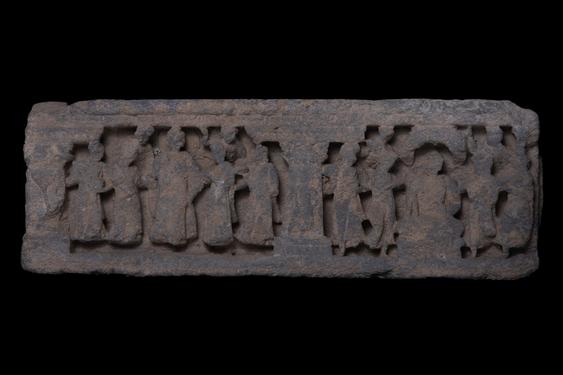
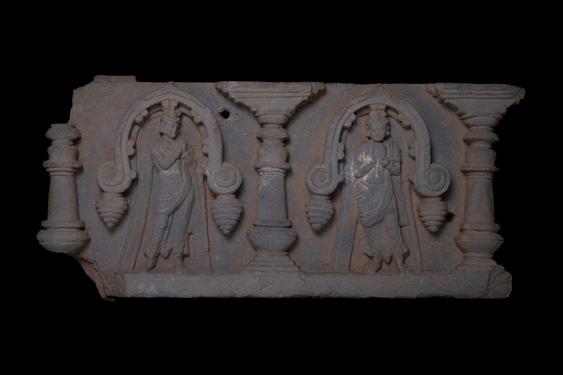
Male devotees

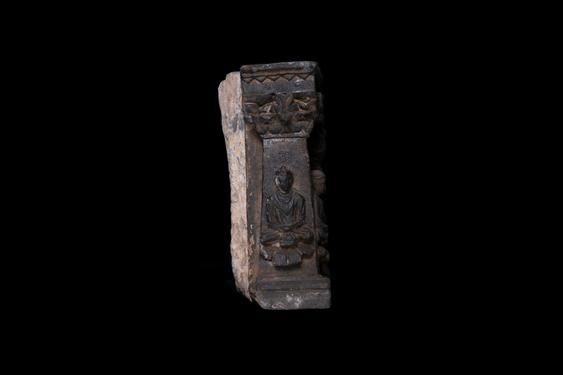
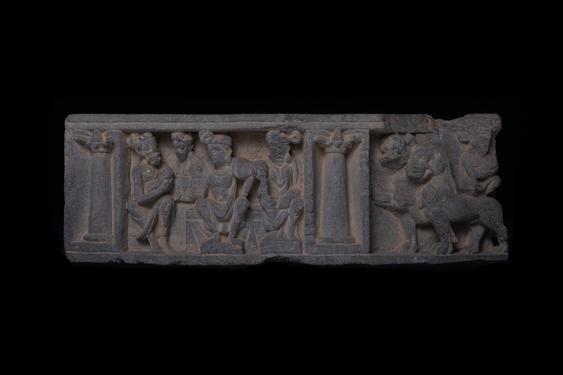
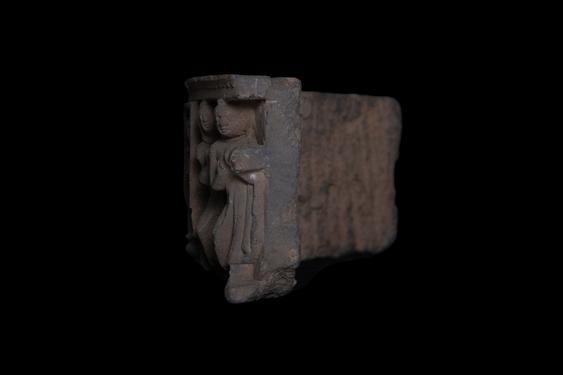
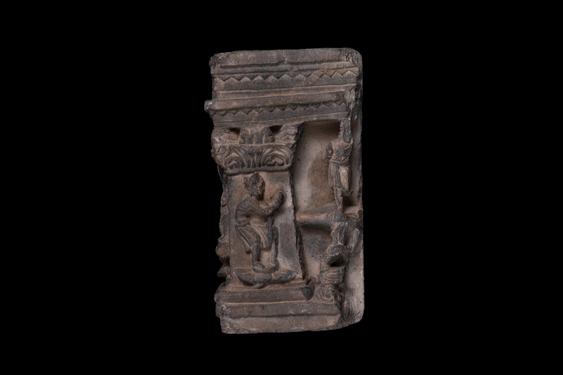
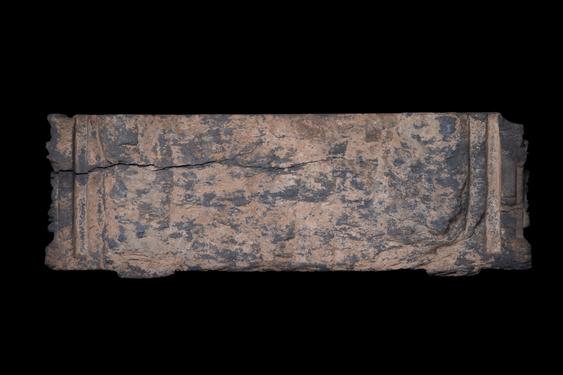
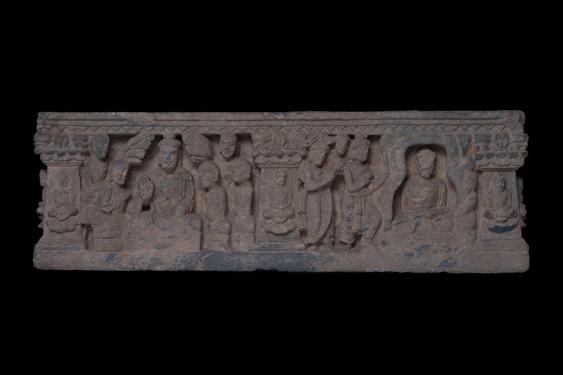
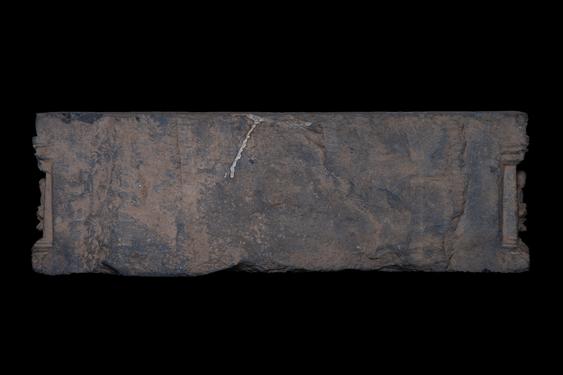
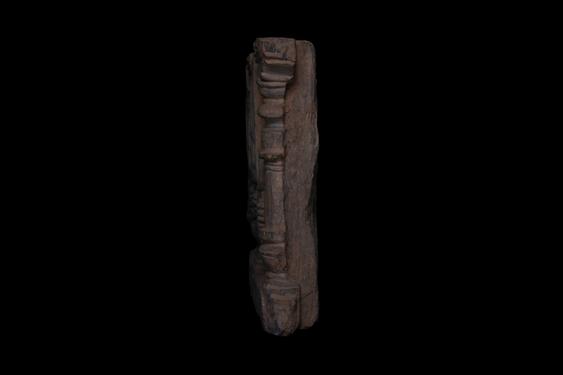
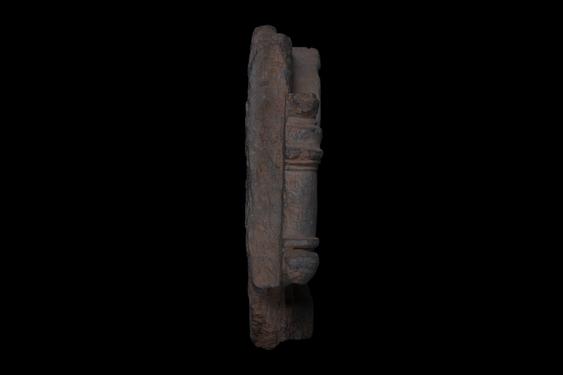
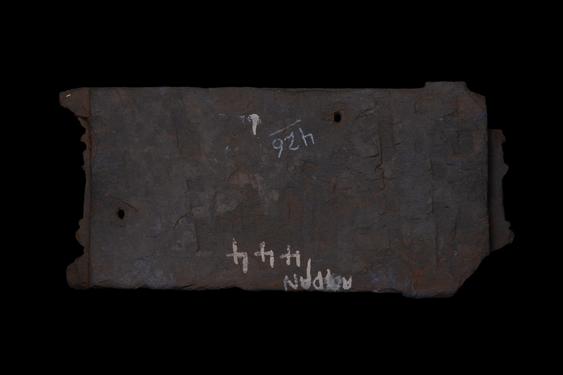
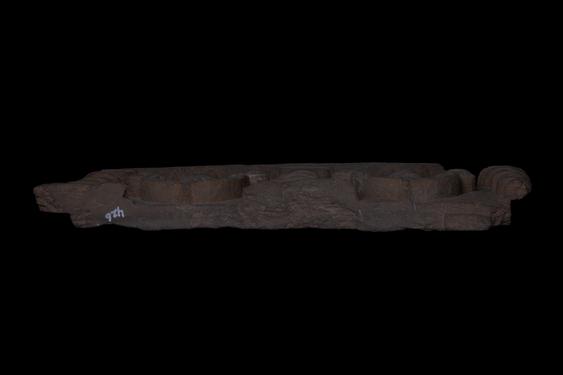
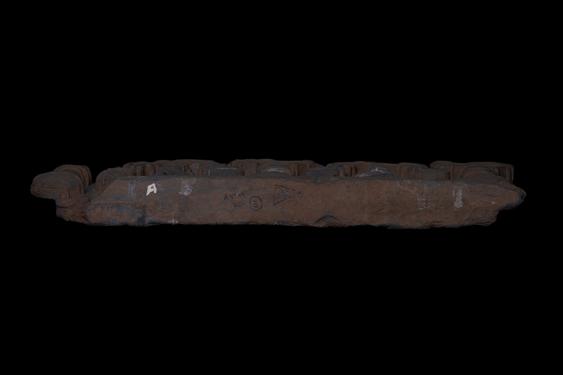
A relief depicting two devotees under doors with pointed arches separated by a semi-column of Gandharan-Persepolitan type, two more semi-columns mark the ends of the relief. The base is a plain fillet. The back face of the relief shows some large, almost vertical, chisel-marks. Symmetrically on the top and bottom …
Last Existence: Parinirvāṇa Cycle

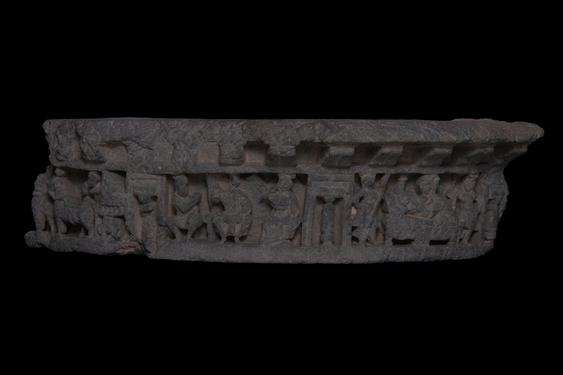
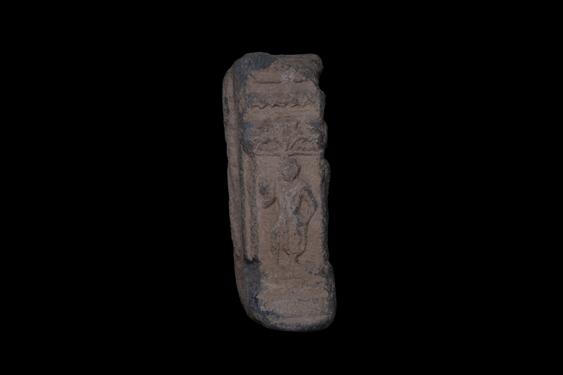
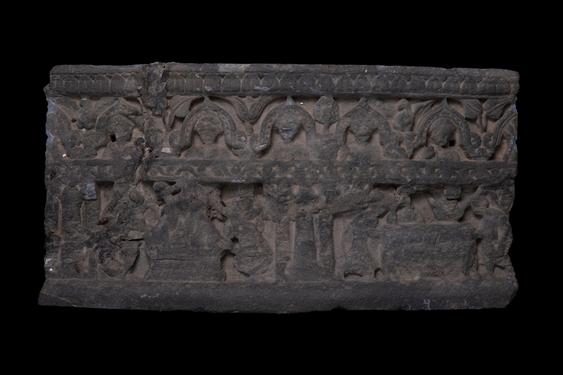
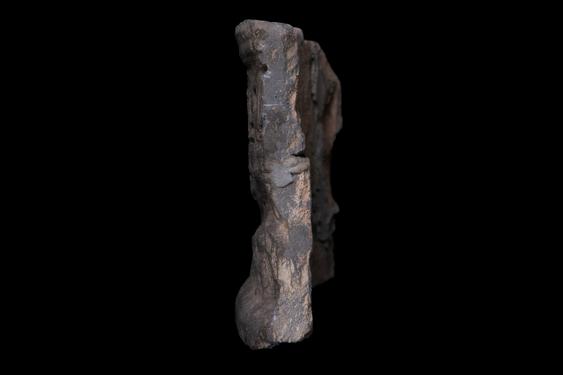
Part of a frieze relief with two superimposed registers, the upper one depicting a row of figures in arches, while the lower one representing episodes of the Last Existence of the Buddha. The dividing band is carved with a wavy line with pearls in the hollows. The base is a …
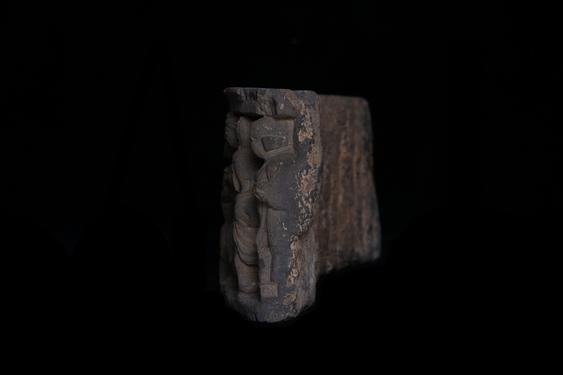
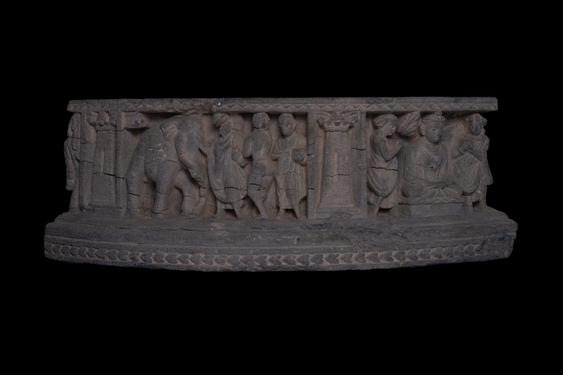
Buddha and devotees; Last Existence: Taming of the Elephant

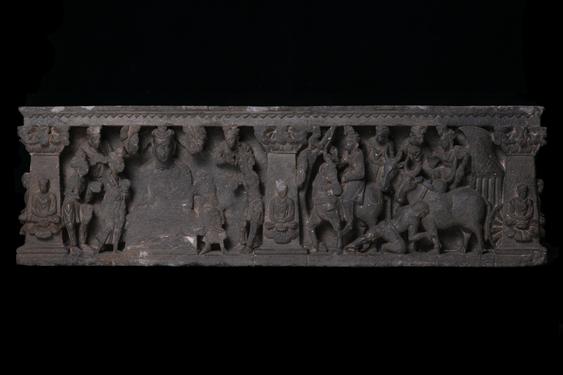
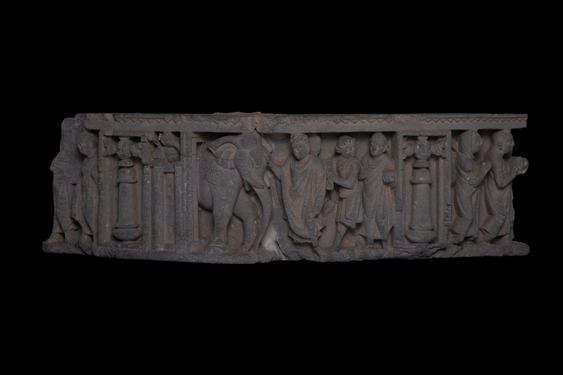
Part of a frieze with separated scenes illustrating episodes from the Last Existence. The recessed base includes a decorated band with a row of overlapping leaves of pipal between two plain fillets, a plain torus, and a straight fillet. The cornice has a row of saw-teeth topped by a plain …
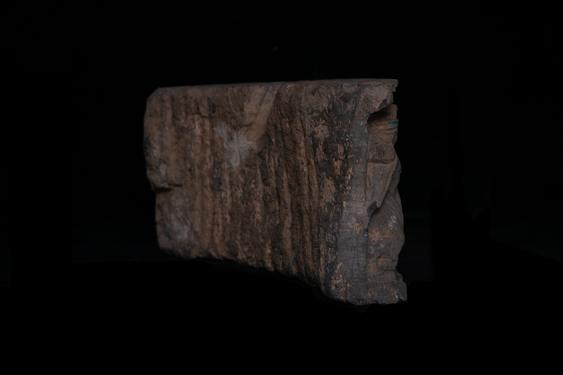
Last Existence: Predication

A relief preserving two separate scenes from the Buddha's Predication. The base consists of a plain fillet, the cornice consists of a plain fillet topped by a row of saw-teeth and two more superimposed plain fillets. Both the base and the cornice run on the sides of the frieze. Two …
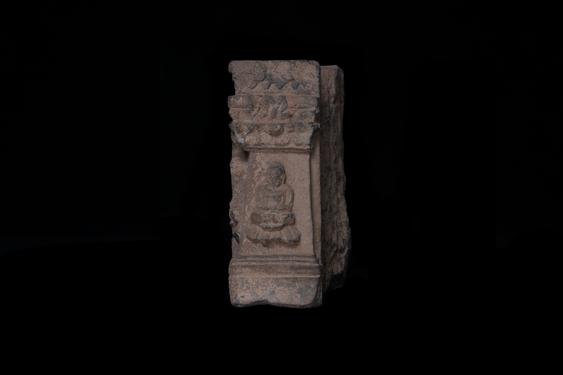
Last Existence: Bodhisattva in Tuṣita Heaven; The Great Departure

Part of a frieze depicting two separate narrative scenes. The base consists of a plain fillet. The cornice consists of a first fillet decorated with a row of saw-teeth, topped by three plain fillet of different width and a topmost band with a row of upright ogival leaves with an …
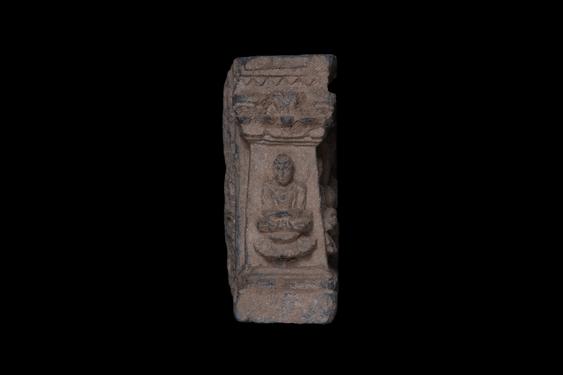
Last Existence: Birth Cycle

Part of a frieze with separated scenes from the Last Existence. They are divided by an encased semi-column of the Gandharan-Corinthian type. Two more encased semi-columns of the Gandharan-Corinthian type. The base consists of a plain fillet and the cornice of two superimposed plain fillets. The back face shows irregular …

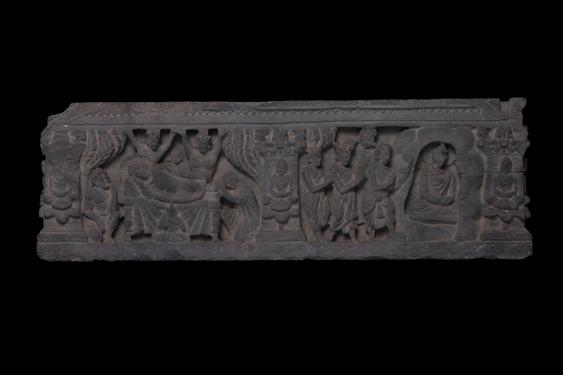
Last Existence: The Buddha's Death

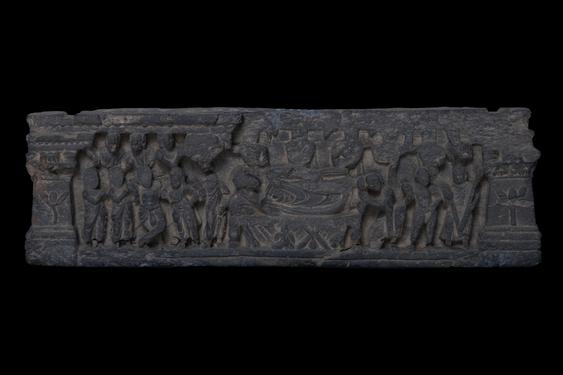
A rectangular panel representing the Buddha's Death. The next scene represents the Buddha’s death. Despite being ill after receiving food offerings, the Buddha continues to travel to Kapilavastu until he is forced to stop at Kuśīnagara in a śala forest. Here he announces to his retinue that he will …

Last Existence: Offering of Dust; Unidentified scene

Part of a frieze depicting scenes from the Last Existence. The base is a plain fillet; the cornice has a row of saw-teeth topped by a thin plain fillet. On the back of the relief there are large parallel vertical chisel marks, in the center top of the slab there …

Last Existence: Unidentified scenes

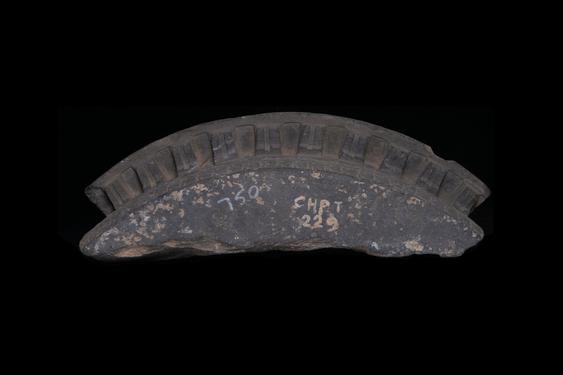
Part of the drum of a small stūpa depicting scenes from the Last Existence. The recessed base includes a decorated band with a straight festoon with opposite lanceolate leaves between two plain fillets, a plain torus, and a double thin fillet. The cornice has a double wavy line between plain …

Last Existence: Birth Cycle

A frieze with two separate scenes from the Last Existence of the Buddha. They are divided by an encased semi-column of the Gandharan-Corinthian type, a second one closes the scene on the left. The base consists of a plain fillet and the cornice of two superimposed plain fillets. On the …

Last Existence: Taming of the Elephant; Unidentified scenes

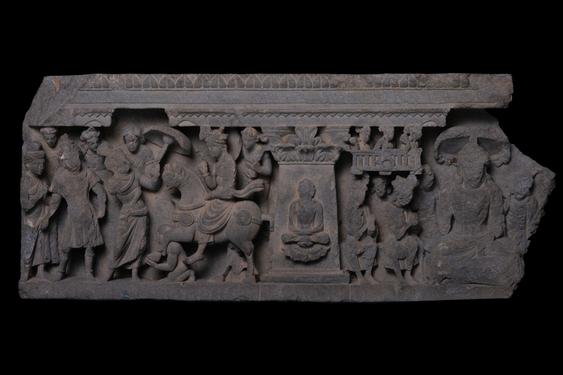
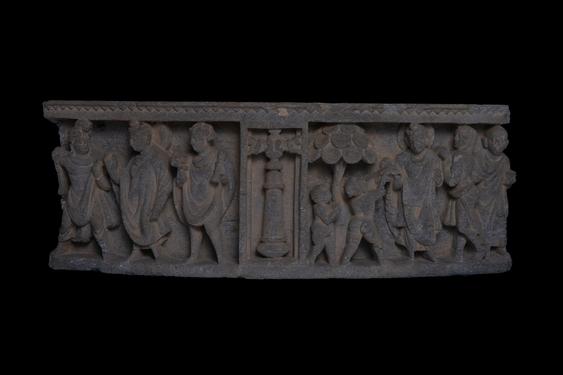
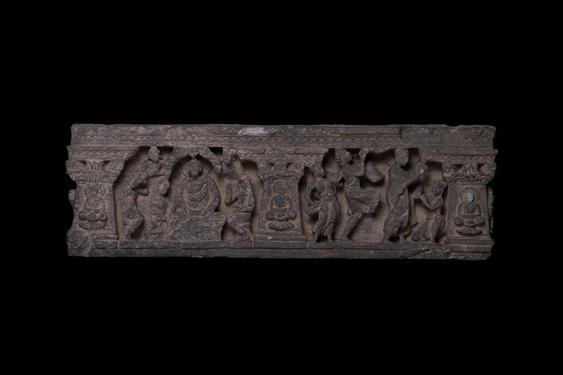
Part of a frieze with separated scenes from the Buddha’s Last Existence. The scenes are divided by encased semi-columns of Gandharan-Persepolitan style with composite zoomorphic capital. Only the central scene can be identified, the other two being fragmentary and only showing two figures. The base consists of a plain …

Last Existence: Competitions

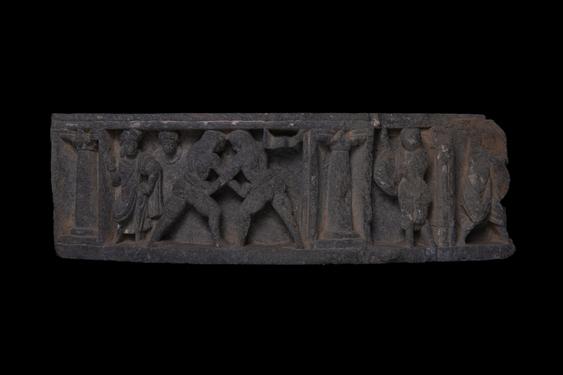
Part of a frieze relief showing two scenes from the Competitions. In order to win the young Yaśodharā over, Prince Siddhārtha proves his physical prowess and skills in archery, swordsmanship, wrestling, and other athletic practices. The scenes are separated by an encased semi-column of the Gandharan-Corinthian type. A third encased …

Last Existence: Birth Cycle

Part of of the drum of a little stūpa depicting scenes from the Buddha's Birth Cycle. The base consists of a plain fillet and the cornice has brackets with a vertical groove. On the top face there are remnants of a socket at the right end. The scenes are separated …

Buddhas

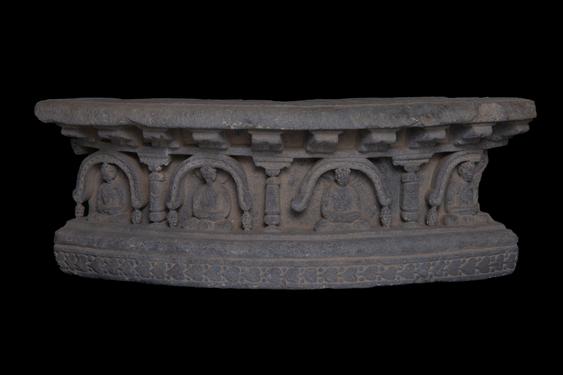
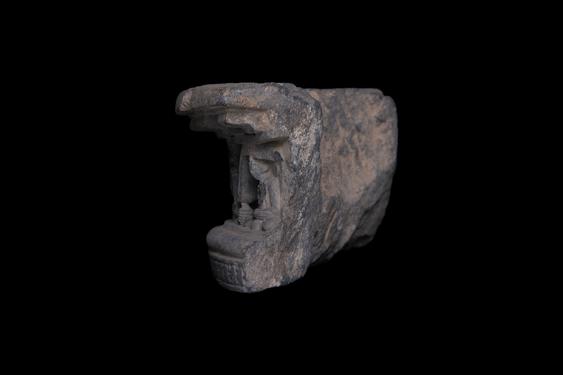
Part of the drum of a little stūpa with a series of buddhas under arches. The base consists of a decorated band with row of pipal leaves with pearls in the hollows, a plain torus, and a straight fillet. On top there is a projecting bracketed cornice. On the top …

Last Existence: Conversion of Aṅgulimāla; Unidentified scene

Part of a frieze depicting two separate scenes from the Last Existence. The base consists of two projecting plain fillet, the cornice of a row of saw-teeth between a plain fillet below and a projecting plain band above. Both base and cornice continue on the sides of the panel. Two …

Last Existence: Visit of Indra; the Buddha’s Death

A frieze with two separate scenes from the Last Existence. The base consists of a plain fillet, the cornice consists of a plain fillet topped by a row of saw-teeth and two more superimposed plain fillets. Both the base and the cornice run on the sides of the frieze. Two …

Unidentified scenes

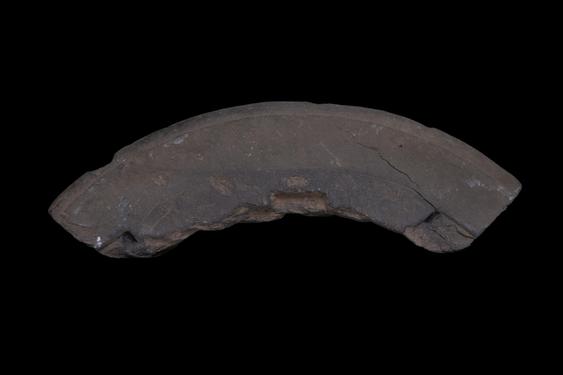
A relief with two unidentified scenes separated by a pilaster. The base is plain, the cornice had originally two decorative registers with motifs that are now not discernible. On the back of the relief there are large almost vertical chisel marks and, on the right, a long vertical socket. The …

Last Existence: Visit of Indra; First Sermon

A frieze with two separate scenes from the Last Existence. The base consists of a plain fillet, the cornice consists of a row of saw-teeth and two more superimposed plain fillets. Both the base and the cornice run on the sides of the frieze. Large sparse rectangular chisel marks are …

Garland bearers

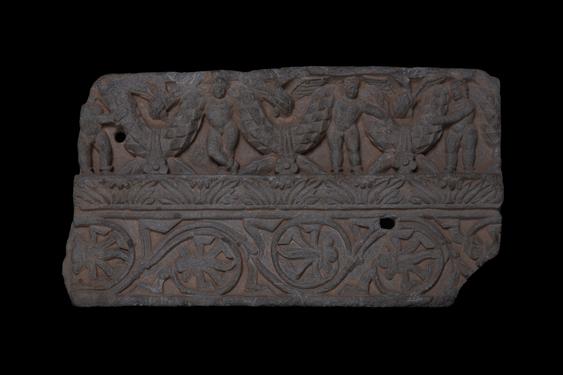
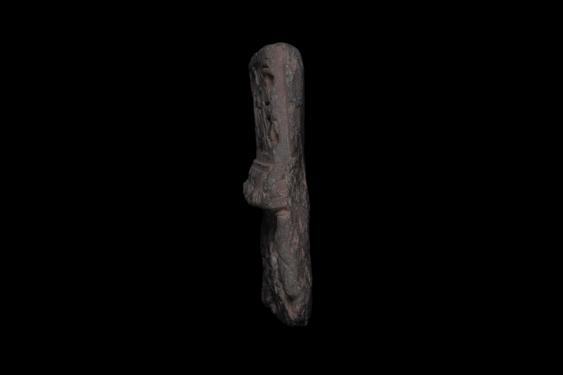
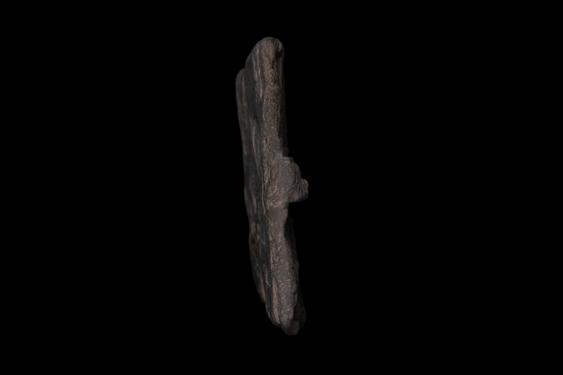
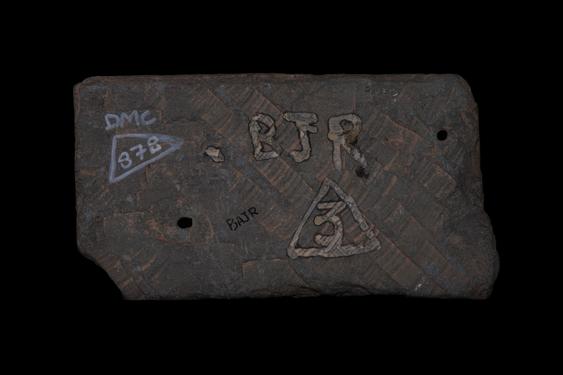
Figured cornice with two superimposed registers separated by a row of acanthus leaves. On the back of the relief there are large oblique flat chisel marks. On the proper left side there is a long vertical continuous socket. Two circular nail holes were drilled one at the right end of …

Previous births: Dīpaṃkara legend

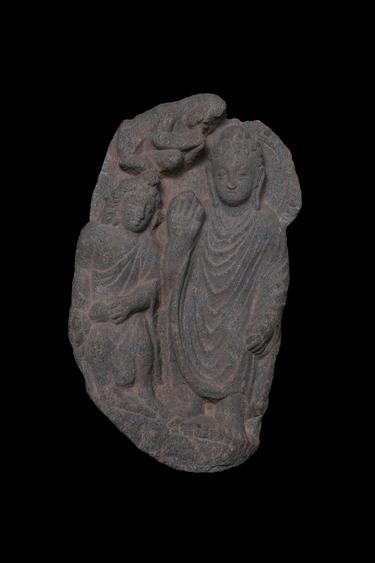
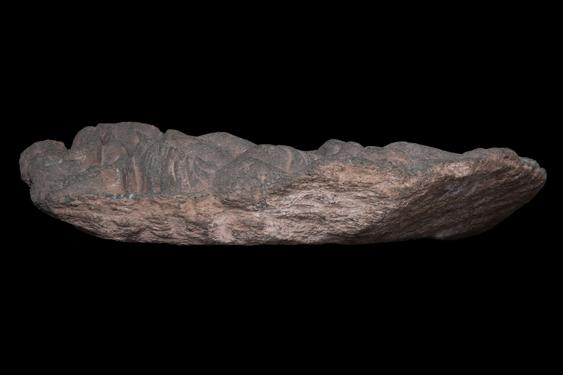
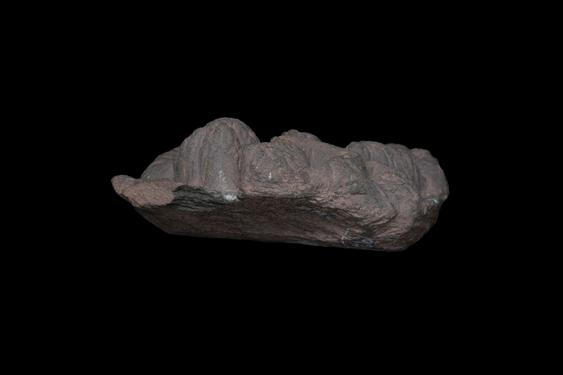
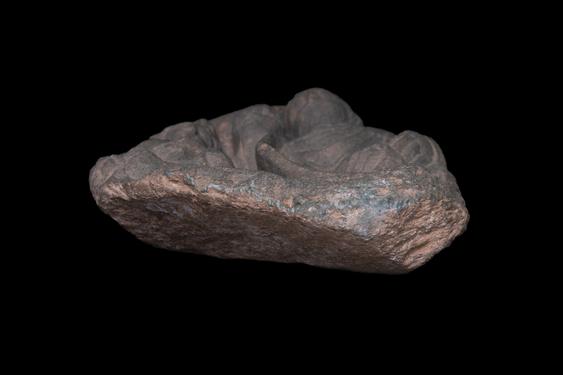
Fragment of a relief representing the Dīpaṃkara legend. The bodhisattva as the ascetic Sumati pays homage to Dīpaṃkara – a buddha of the past – with flowers obtained from a woman, and by lying down and spreading his hair on the ground to make a passage over the mud for the Awakened …